A PISTOL SQUAT IS A CHALLENGING SINGLE-LEG SQUAT VARIATION WHICH TESTS STRENGTH, BALANCE AND ACTIVE FLEXIBILITY.
At first glance, the lower body has not been the most widely trained body part for many calisthenic athletes, but hopefully, we can change that view.
Once you have perfected the bodyweight bilateral squat, you can start training for the pistol squat. Like the one-arm press-up or the one-arm pull-up, a single-leg squat is a unilateral exercise and as such, builds immense strength and athleticism.
ASSISTED PISTOL SQUAT
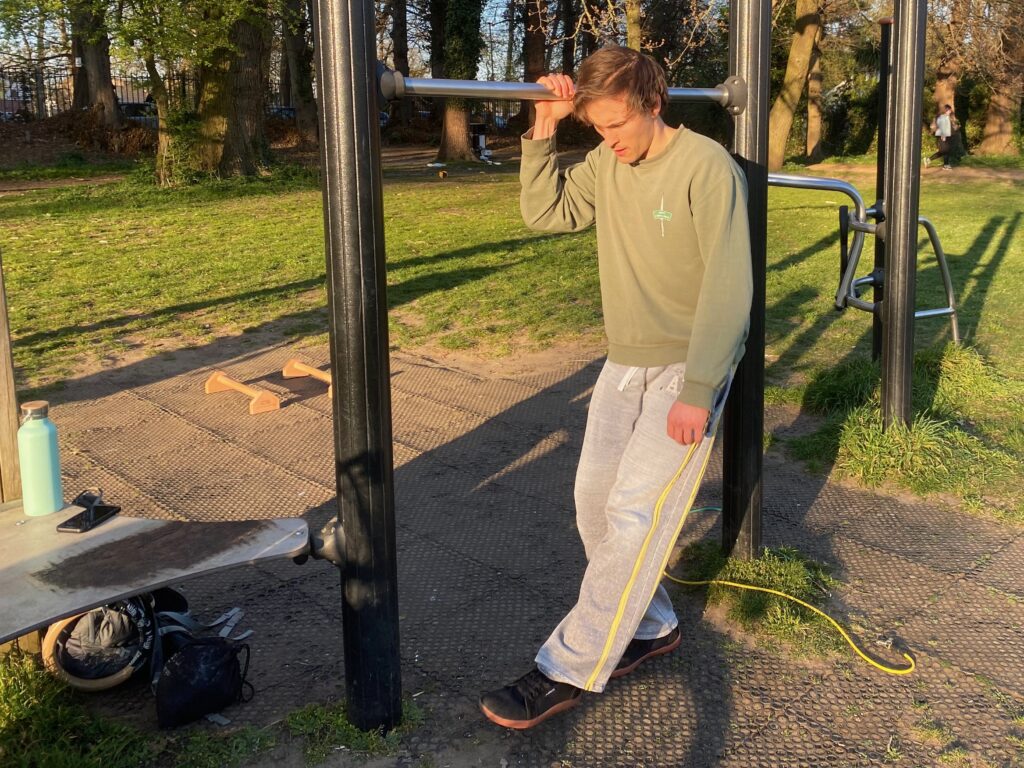
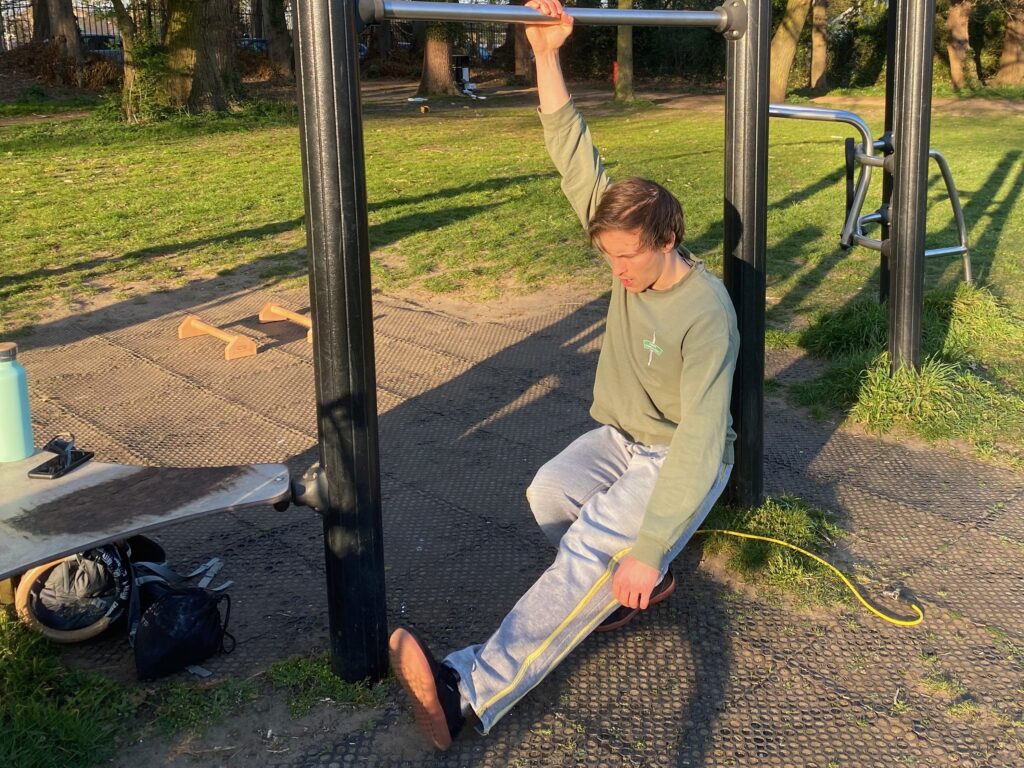
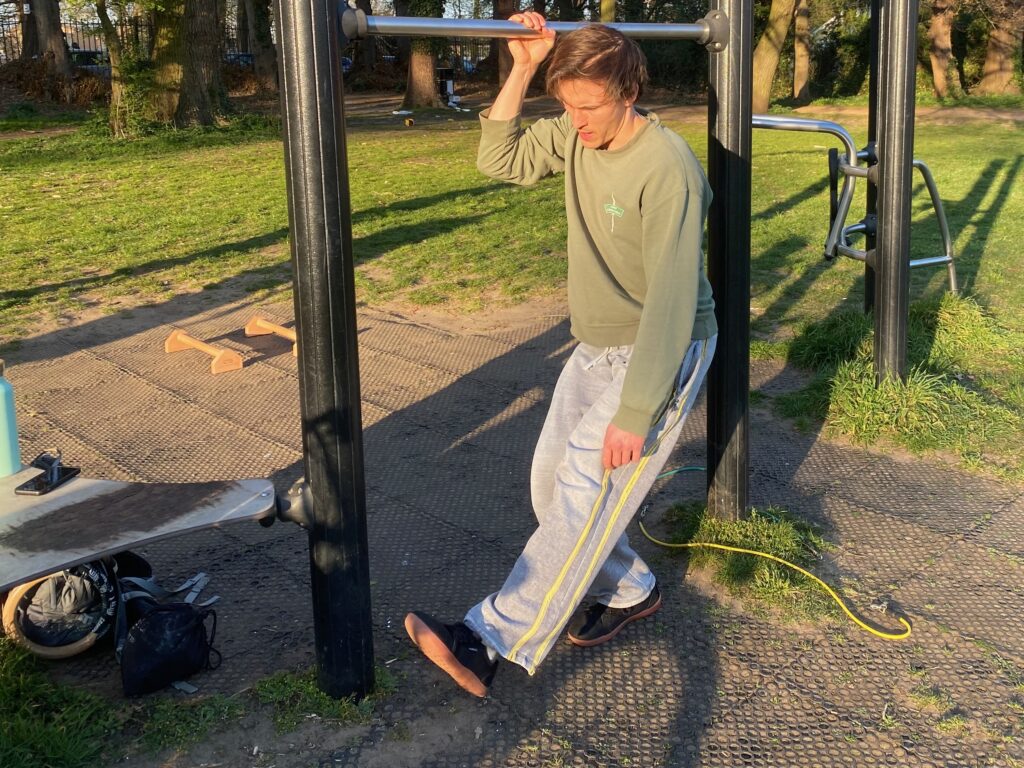
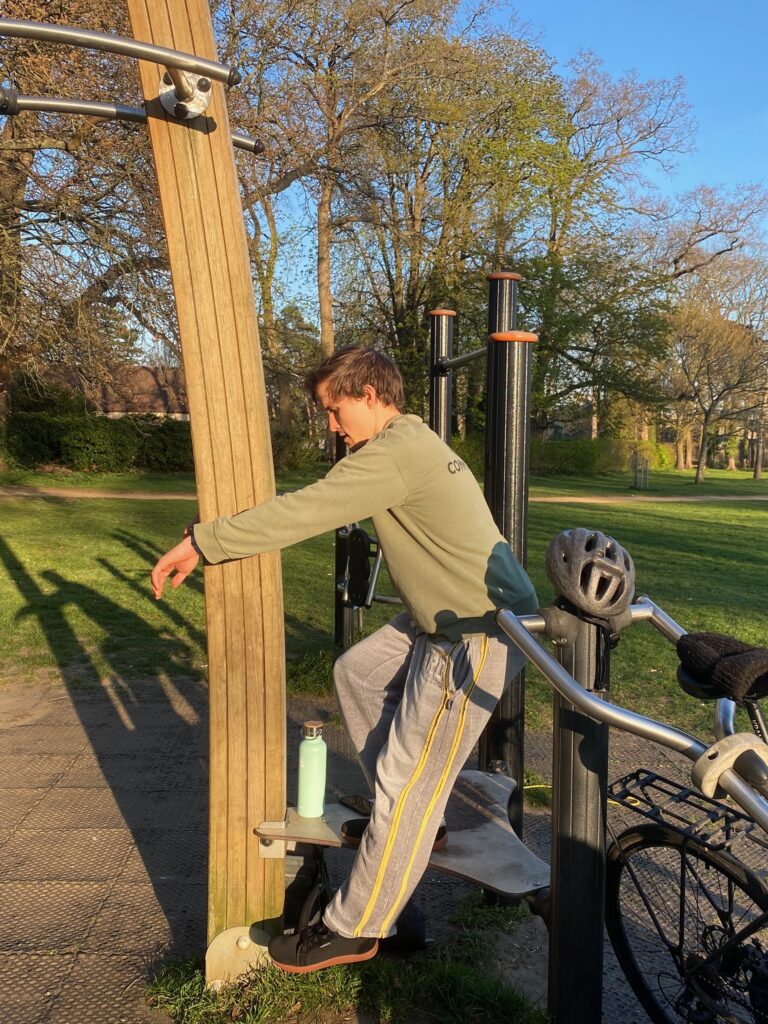
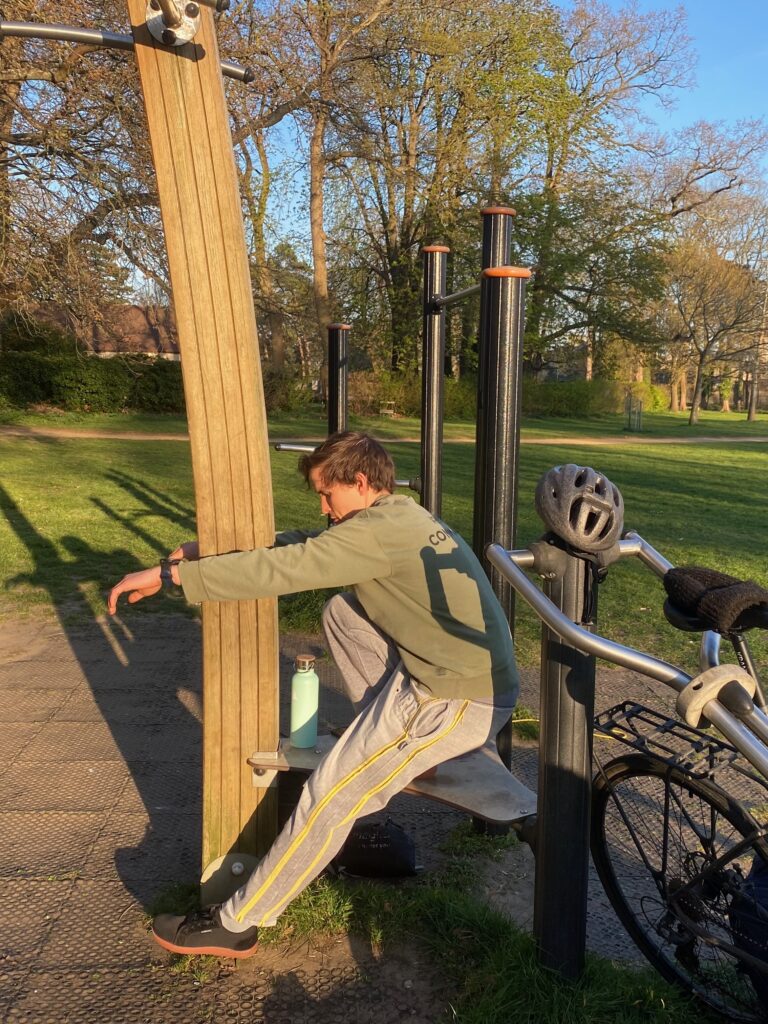
To start your pistol squat journey you can assist yourself with your arms.
Assume a one-footed stance. Grab the apparatus with at least 1 arm. Make sure you have a secure hold.
Extend your non-squatting leg and lock out your knee. From here, start to bend your working leg and lower yourself to the ground.
Use your arm(s) to support yourself and keep balance. Keep lowering as far as you can.
From the bottom position push up as hard with your leg until you reach the standing position again. Use your arms to assist you as much as you need to complete the rep.
ELEVATED PISTOL SQUAT
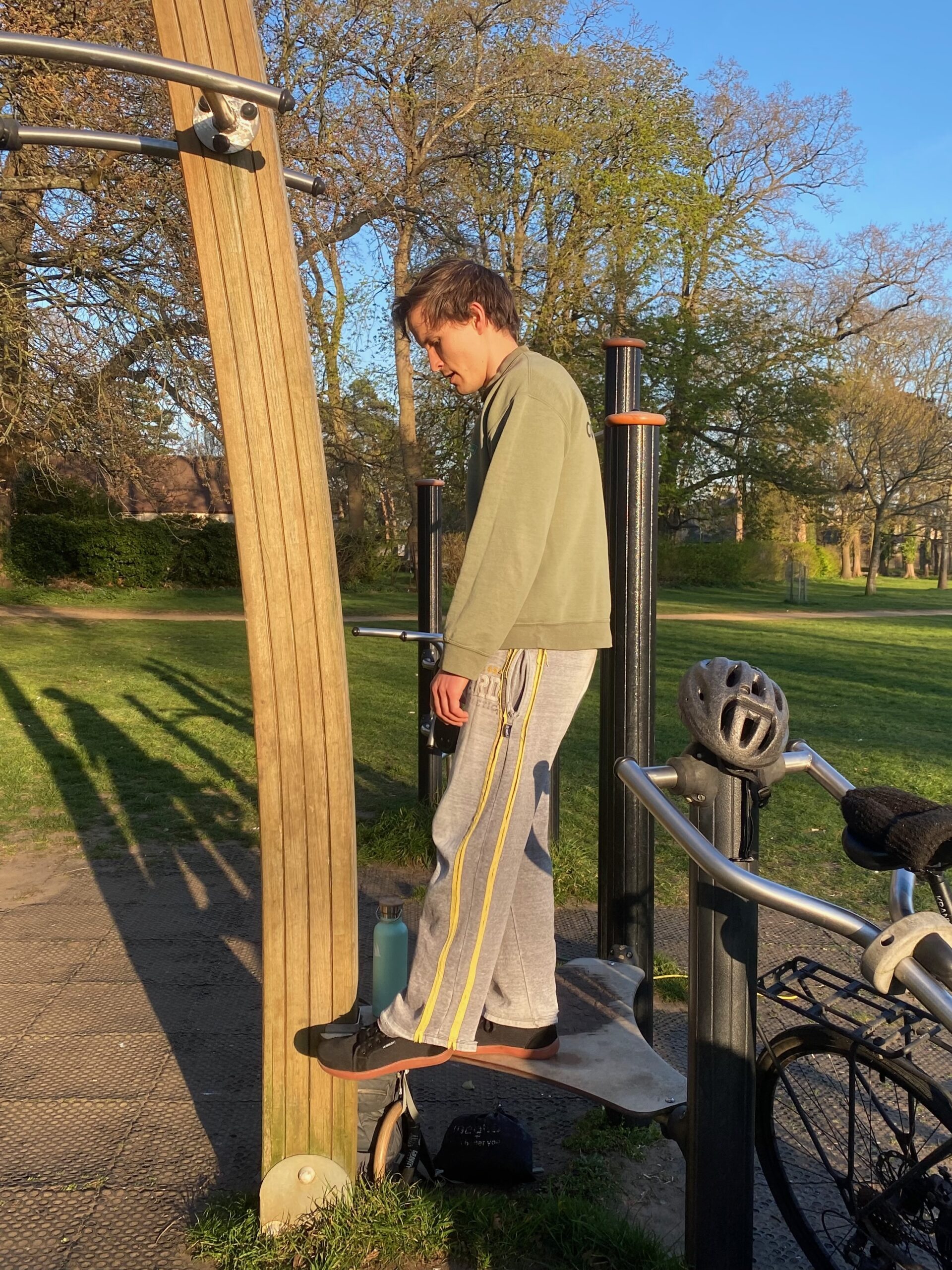
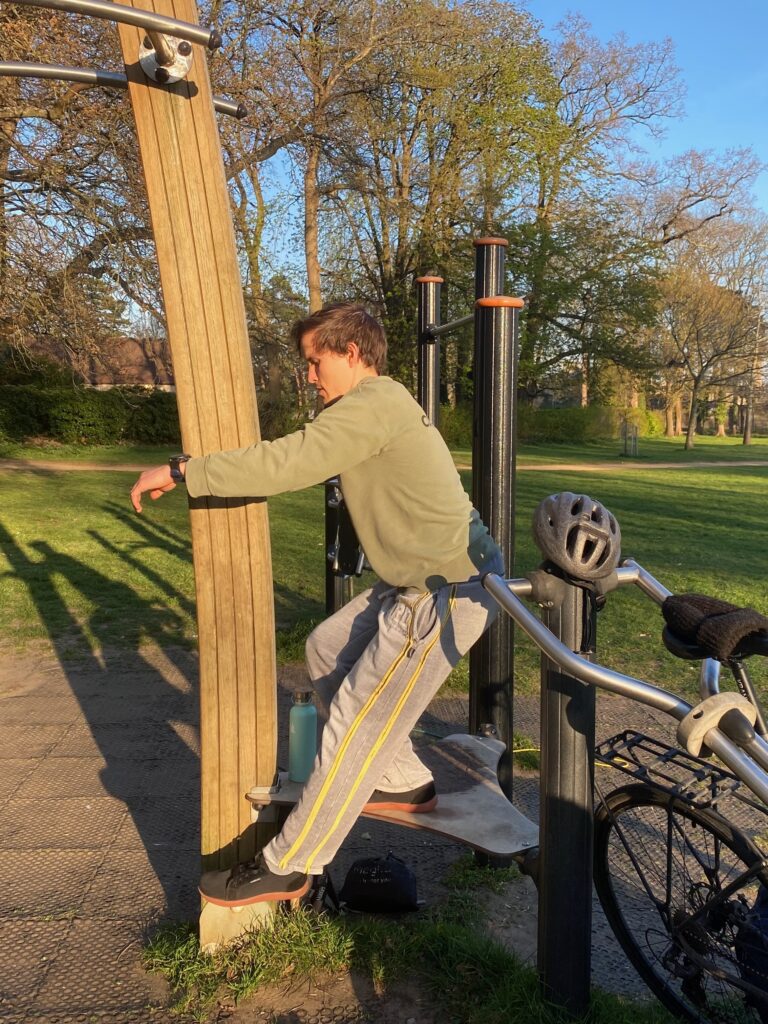
Using a platform or similar to stand on when performing a pistol squat allows the free leg to dangle down instead of being held up. This removes the active demand for good hip mobility and allows you to experiment with your working leg strength in the exercise.
Assume a one-footed stance on your platform.
Holding your arms out in front of you to aid in balance, sit your hips back and bend your knee. Keep your free leg straight and extended.
Keep bending your knee as far as you can. Once you are fully sitting down, keep tension on the legs.
From here, push up as hard as you can until you reach the start position.
PISTOL SQUAT
Once you have spent enough time with the previous two variations presented so far, you will be ready to start working on the full version. The full pistol squat will require more flexibility and mobility than the other two variations.
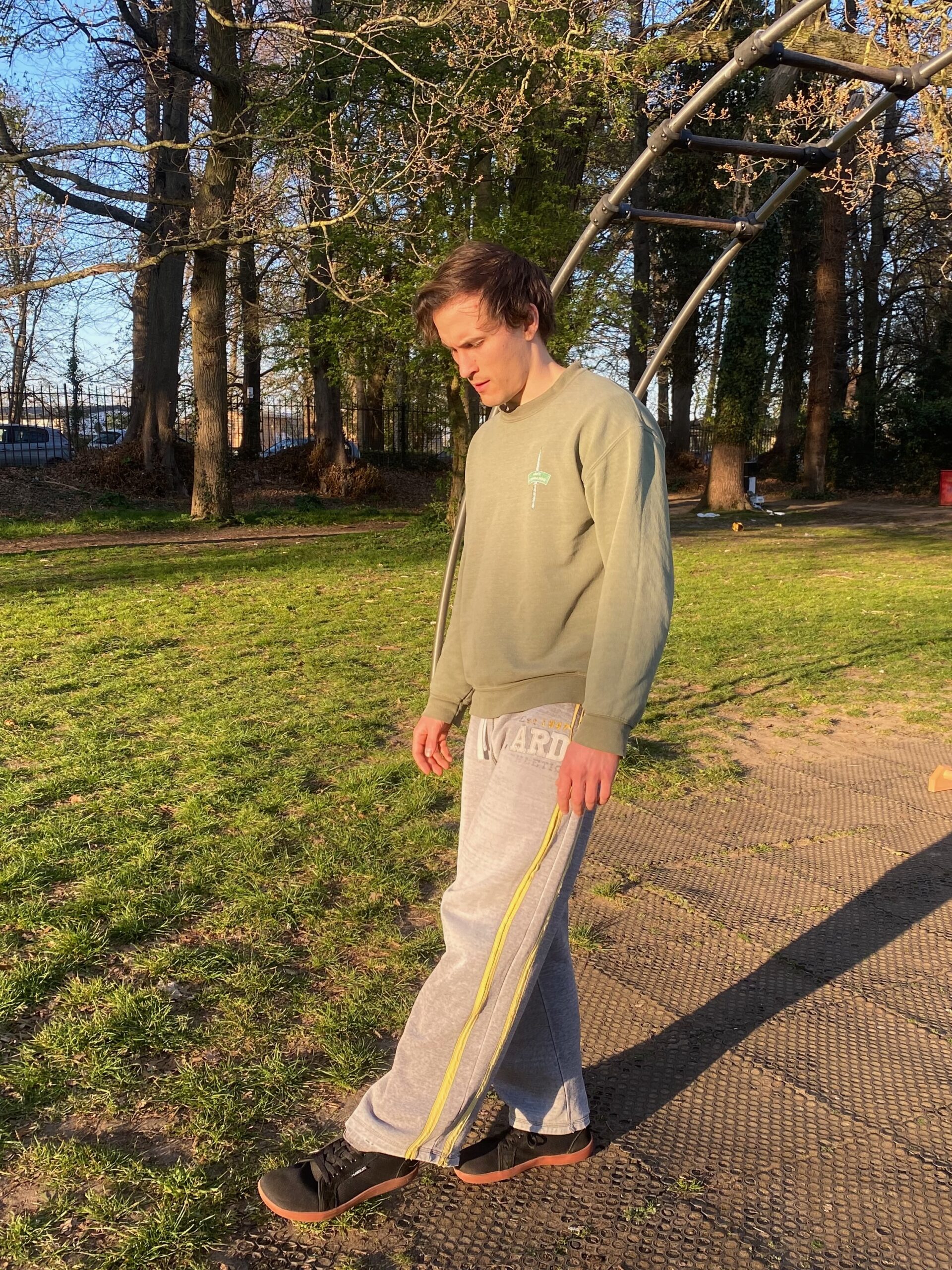
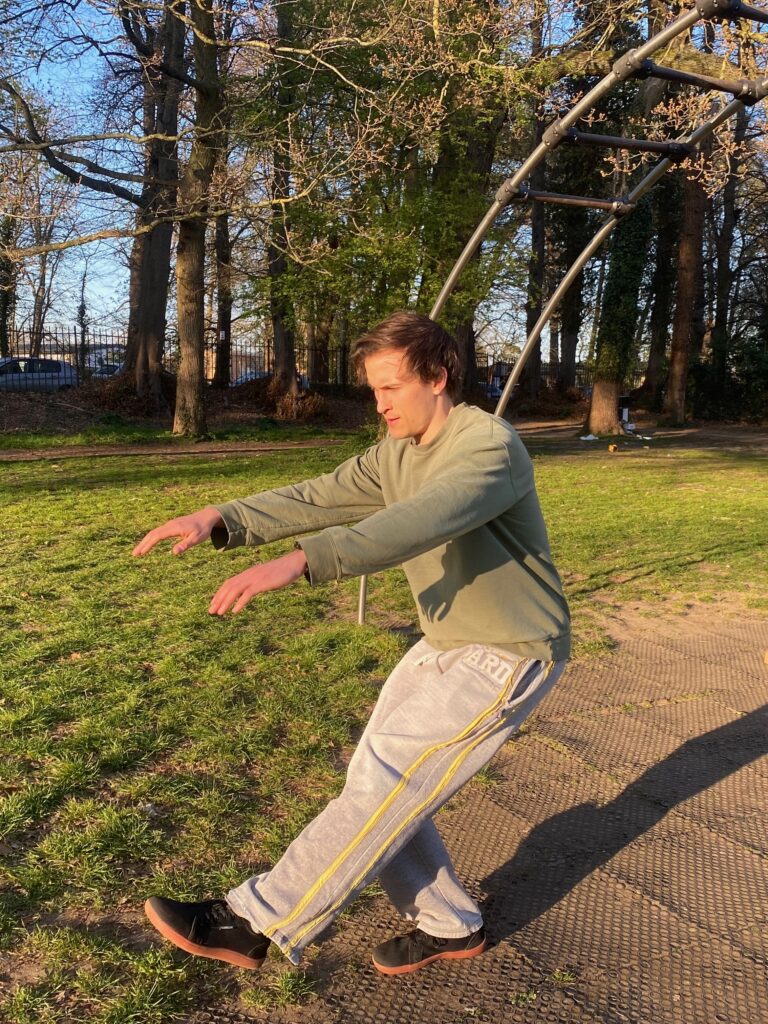
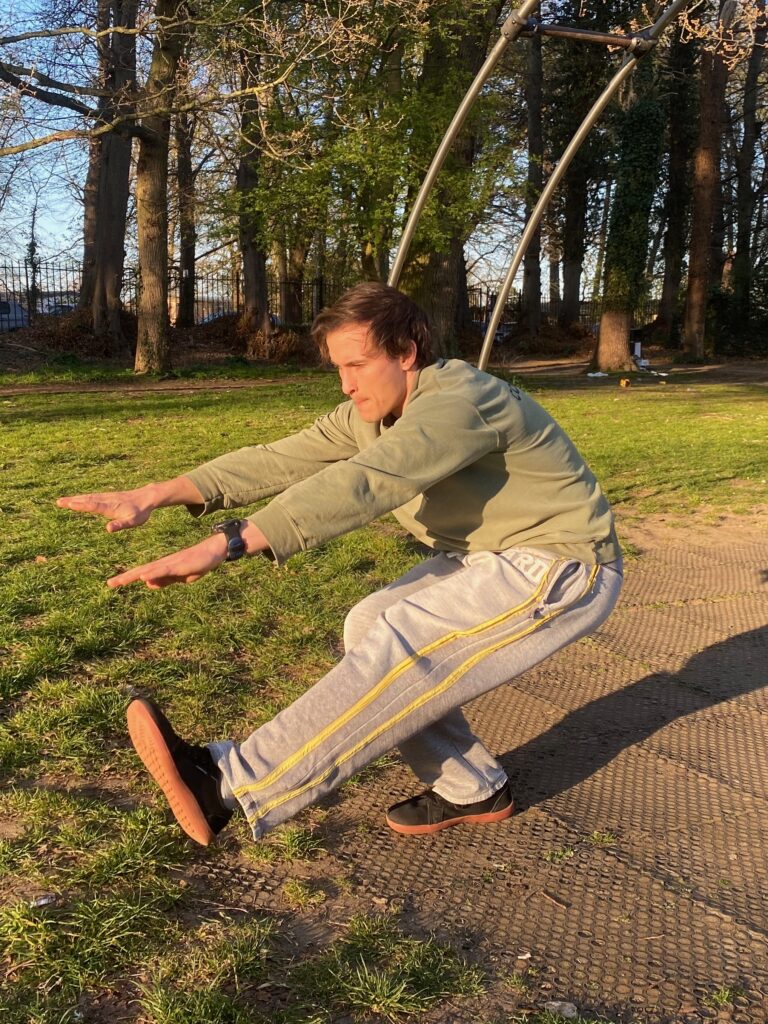
Stand on one leg with the other leg held as horizontal as possible.
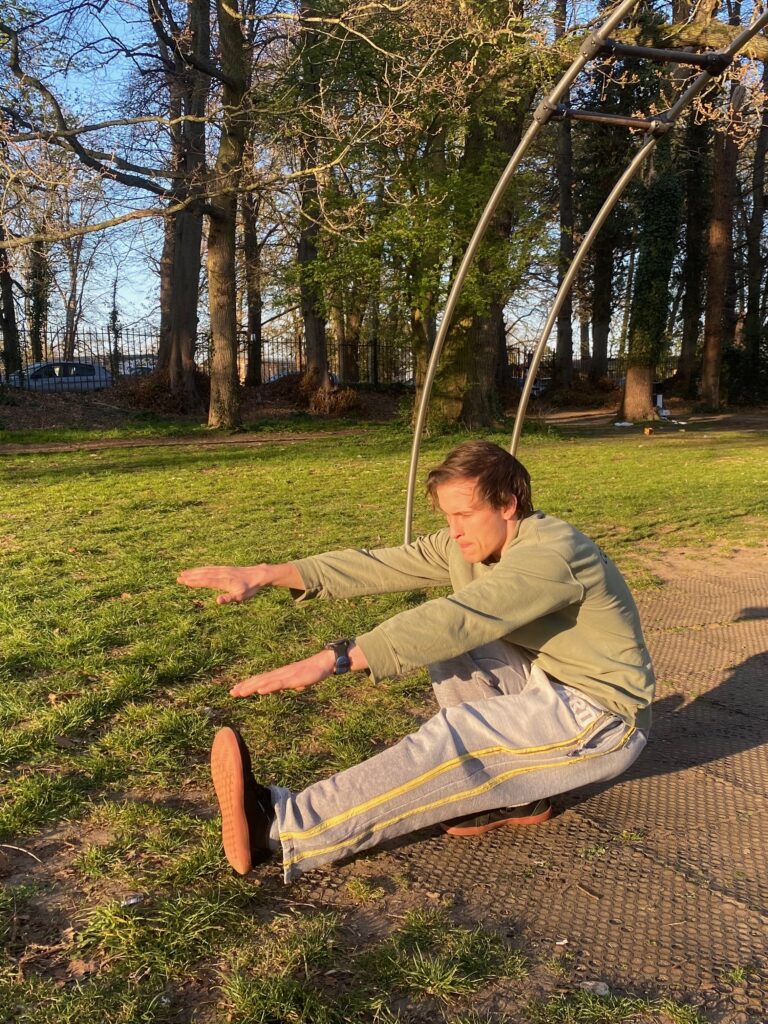
Squat down on the working leg, keeping your heel on the floor. Putting your arms out in front of you will help with balance.
Once you reach the bottom of the movement, push back up until you return to the start position.