WHAT IS CALISTHENICS?
The word ‘Calisthenics’ comes from the Ancient Greek ‘Kallos’ meaning beauty, and ‘stenos’, which means strength. It can be thought of as the art of using your own body weight and qualities of inertia as a means to develop your physique.
The history of calisthenics stretches back to the dawn of human evolution. In the prehistoric world, our ancestors walked, ran, jumped, lunged, climbed, pushed and pulled as part of their everyday activity in their struggle to survive. Calisthenics is the most natural type of movement patterns we were adapted to exercise through. Looking to our cousins, the great apes, they make use of this to develop huge strength in their upper bodies as is evident when watching them climb trees and swing branch to branch with ease.
In the ancient world, calisthenics was used as the main source of physical preparation for the military, as it was easy to organise, easy to learn, and had the biggest transfer to the actual skills and movements that soldiers would need.

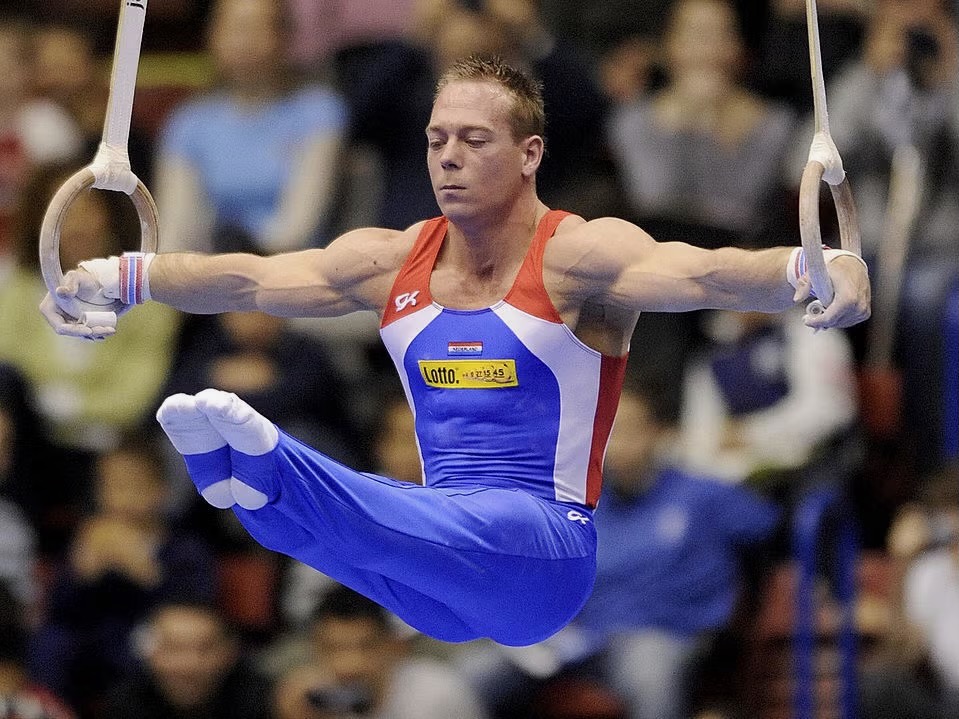
Today, the pinnacle of the calisthenic-type movement is without a doubt elite gymnastics. If there is another athlete that is pound-for-pound stronger, more powerful, more flexible, or more mobile, then I have yet to hear of them. What is interesting about gymnasts is that their strength can almost be thought of as a by-product of the event/discipline they train for.

In recent years calisthenics has seen a huge leap forward in terms of its popularity and the movements being performed. Anyone reading this who is familiar with YouTube will no doubt have seen many amazing videos of people displaying acts of inhuman strength and muscular control, using equipment no more advanced than a pull-up bar. This is the essence of calisthenics: using the body to perform feats of strength that are rarely seen in other training disciplines.